Most “natural” makeup routines still feel like a costume. Layers of product masquerading as bare skin—until sweat, wind, or midday shine exposes the truth. And that’s exhausting. What if your organic makeup idea wasn’t about hiding flaws but amplifying what’s already there? Less coverage. More clarity. Zero compromise.
Why Your “Natural Look” Still Looks Fake
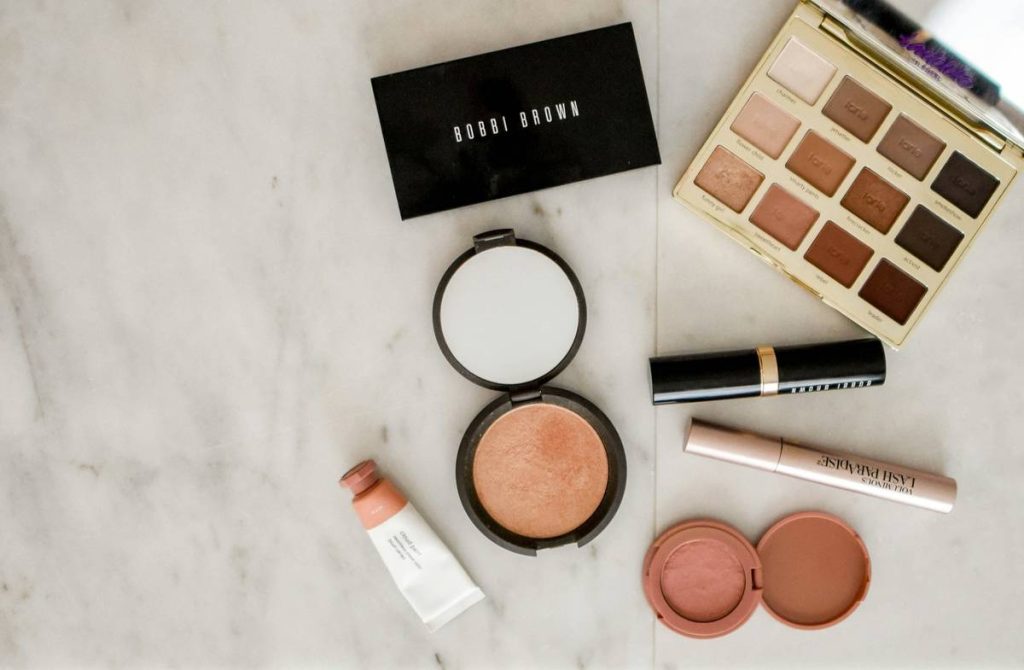
Conventional natural makeup relies on too many steps disguised as simplicity. Tinted moisturizer + concealer + bronzer + blush + highlighter? That’s five products claiming to be “no-makeup makeup.” It’s not minimalist—it’s minimal effort disguised as intentionality.
The real issue? Most formulas aren’t truly clean. Mineral-based claims hide silicones and synthetic fillers. And color matching? Often based on undertone myths that ignore how skin actually behaves in daylight.
Organic Makeup Idea: Your 4-Step Ritual (That Actually Works)
Forget everything you’ve been told about needing base layers. True minimalist makeup starts with skin that needs less—not more.
Prep With Purpose, Not Products
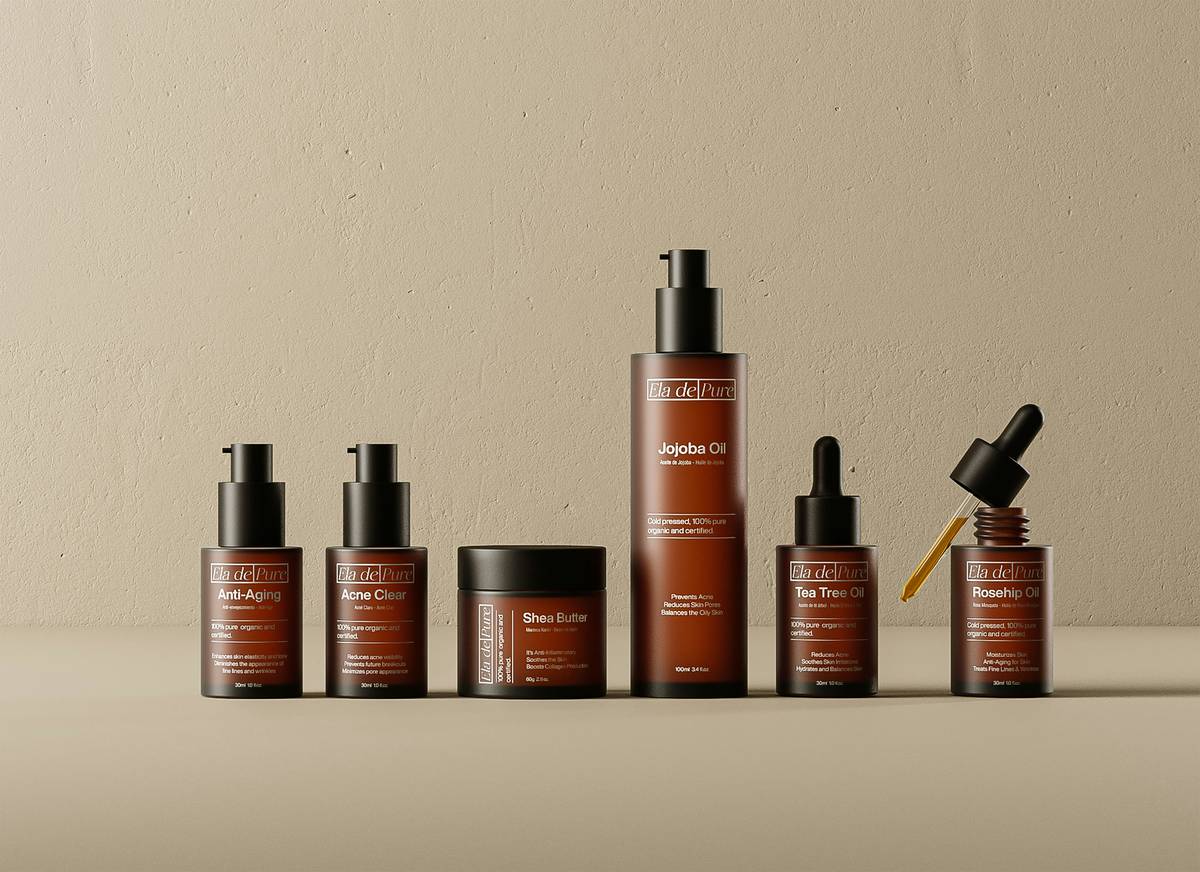
Cleanse with lukewarm water only in the morning. Apply one drop of cold-pressed jojoba oil while skin is damp. Let absorb 60 seconds. No primer. No filter. Just plump, hydrated canvas.
Pigment Placement > Coverage
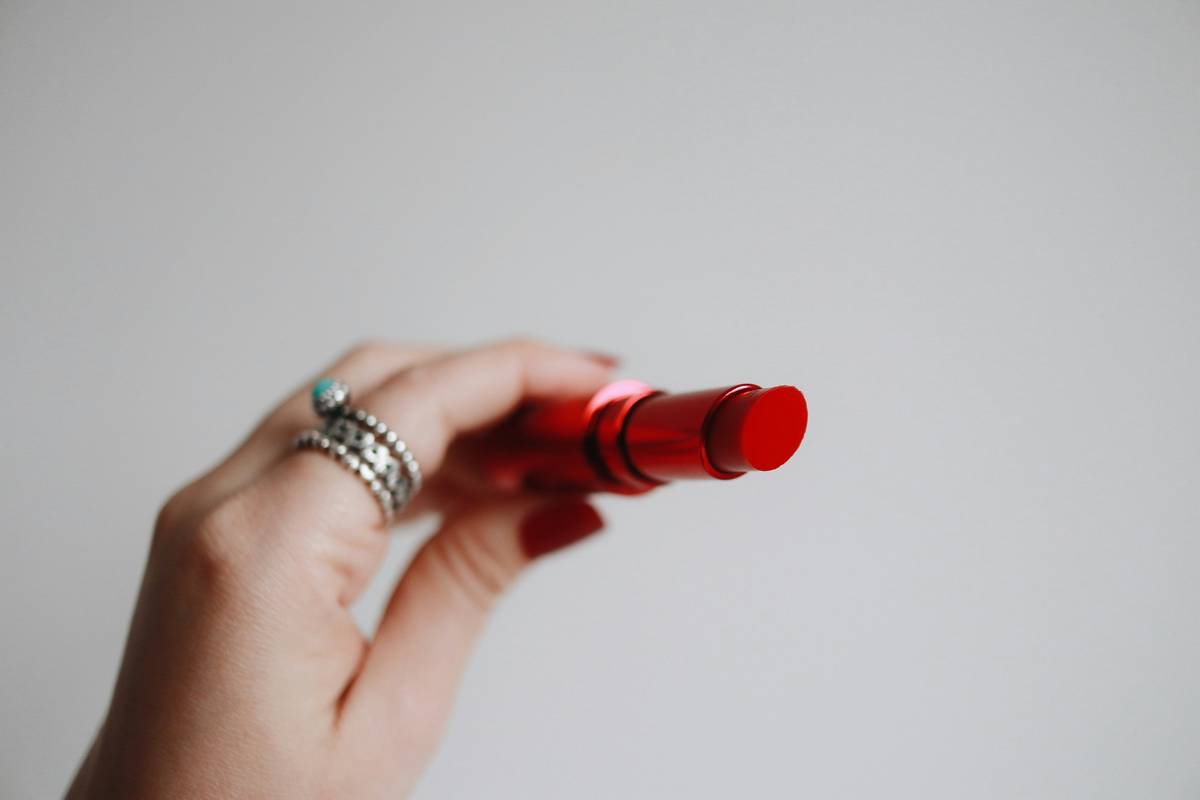
Ditch foundation entirely. Use a single multi-stick (cheeks/lips/eyes) in a warm terracotta or soft rose—whatever mimics your post-walk flush. Dab directly on apples of cheeks, blend upward with fingers. Stipple same shade onto lips. Done.
Brows: Shadow, Not Stroke
No pencils. No gels. Use an angled brush dipped in matte eyeshadow one shade lighter than your brows. Tap along sparse areas—never draw lines. Brows should look lived-in, not laminated.
Mascara Is Optional (Yes, Really)
If you curl lashes, skip mascara on lower lids. On top? One coat of water-resistant organic formula—only if your eyes disappear without it. Otherwise, leave them bare. Real people blink; their lashes move.
| Traditional “Natural” Routine | True Minimalist Organic Makeup Idea |
|---|---|
| 5+ products (tinted moisturizer, concealer, blush, bronzer, highlighter) | 1–2 products max (multi-stick + optional mascara) |
| Average application time: 12 minutes | Average application time: 90 seconds |
| Cost per wear: ~$1.80 | Cost per wear: ~$0.25 |
| Fails by hour 3 (settling, oxidation) | Improves by hour 3 (skin oils enhance blend) |
The Industry Secret: Your Skin Should Look Like Skin—Not a Filter
Here’s what brands won’t say: the “flawless” finish in ads uses post-production blur, not product performance. Real organic skin has texture. Pores. Redness that shifts with temperature. And that’s beautiful.
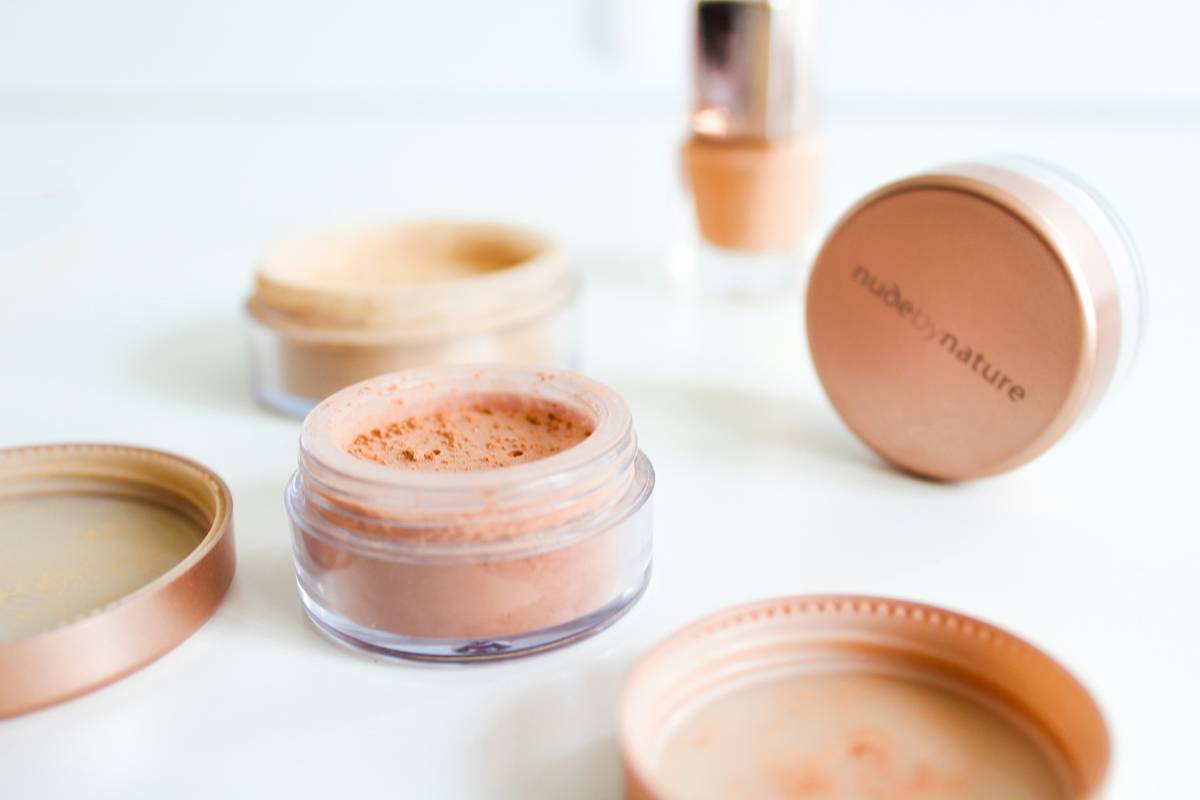
The secret? Choose formulas with light-diffusing minerals like mica or silica—but only if they’re uncoated. Coated minerals create that plastic sheen. Uncoated ones scatter light softly, making imperfections recede visually without erasing them. It’s optics, not occlusion.
And never match foundation (or tint) in-store lighting. Do it near a north-facing window at 11 a.m. If it disappears into your jawline—not your forehead—you’ve got it.
FAQ
What’s the difference between organic and clean makeup?
Organic refers to USDA-certified plant ingredients grown without pesticides. Clean makeup avoids known toxins—but may still contain synthetics or non-organic botanicals. They aren’t interchangeable.
Can I wear minimalist organic makeup if I have acne or rosacea?
Absolutely—opt for anti-inflammatory pigments like zinc oxide-based tints. Skip anything with essential oils or alcohol. Less product = less irritation. Focus on calming skin first; color second.
Do I need special brushes for organic makeup idea routines?
No. Fingers work best for cream/liquid blends—they warm product for seamless melt. A single dense synthetic brush handles powder accents. Expensive kits are marketing, not necessity.