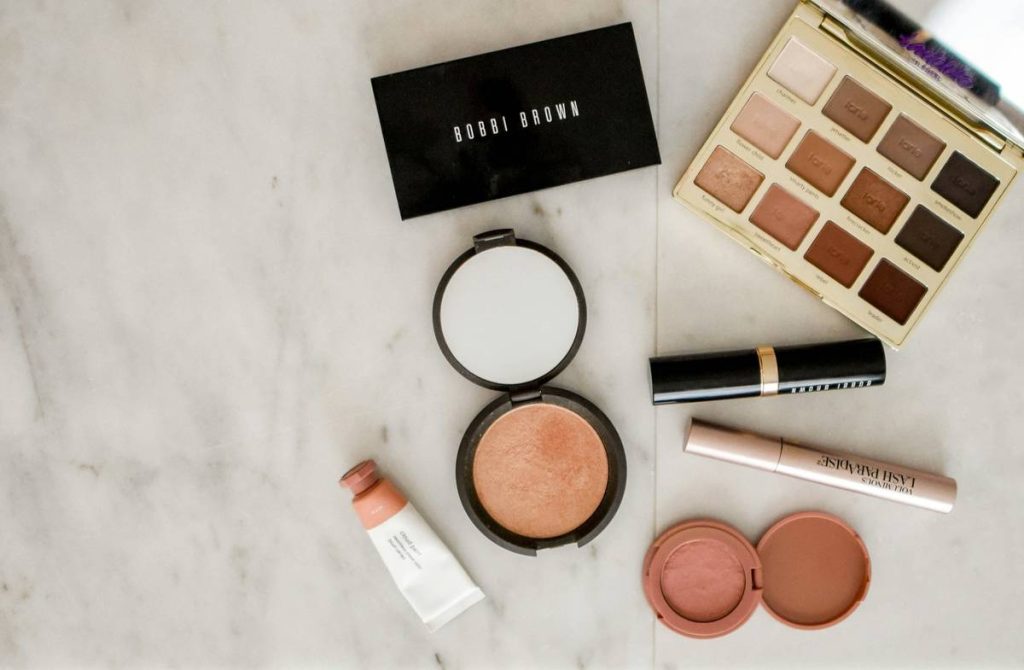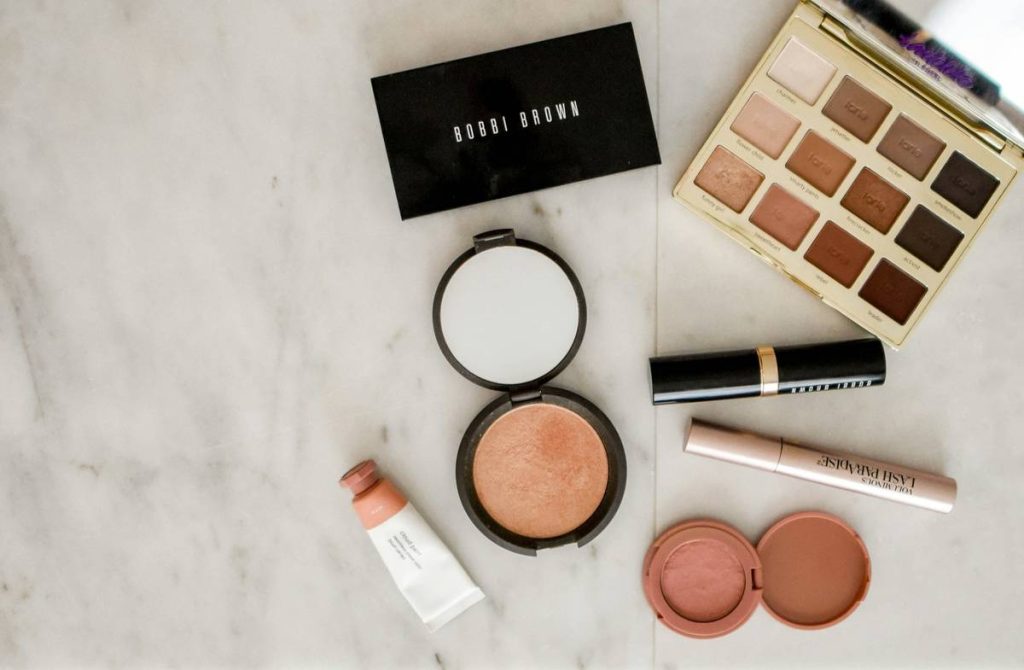
You spend 20 minutes layering foundation, concealer, powder, blush, bronzer, highlighter—and still look like you’re wearing too much. The mirror says “done,” but your skin screams “overdone.” Here’s the fix: natural makeup application isn’t about skipping steps. It’s about strategic subtraction.
Why most “natural” routines still look fake
Most tutorials treat natural makeup as a watered-down version of full glam—same products, lighter hand. That’s backwards. The issue? You’re using formulas built for coverage, not authenticity. And skincare residue? Leftover oils or serums create uneven blending zones—your T-zone turns shiny while cheeks flake. Think about it: no filter mimics real skin texture if your base doesn’t breathe with it.
natural makeup application: The minimalist’s blueprint
This isn’t minimalism as deprivation—it’s precision editing. Every swipe must earn its place.
Select your non-negotiable base
Ditch heavy foundations. Opt for a tinted moisturizer or skin tint with SPF 20+. Apply with fingers—not a sponge—to melt product into warmth zones (forehead, nose, chin). Your skin’s natural oils will diffuse edges better than any brush ever could.
Conceal only what disrupts
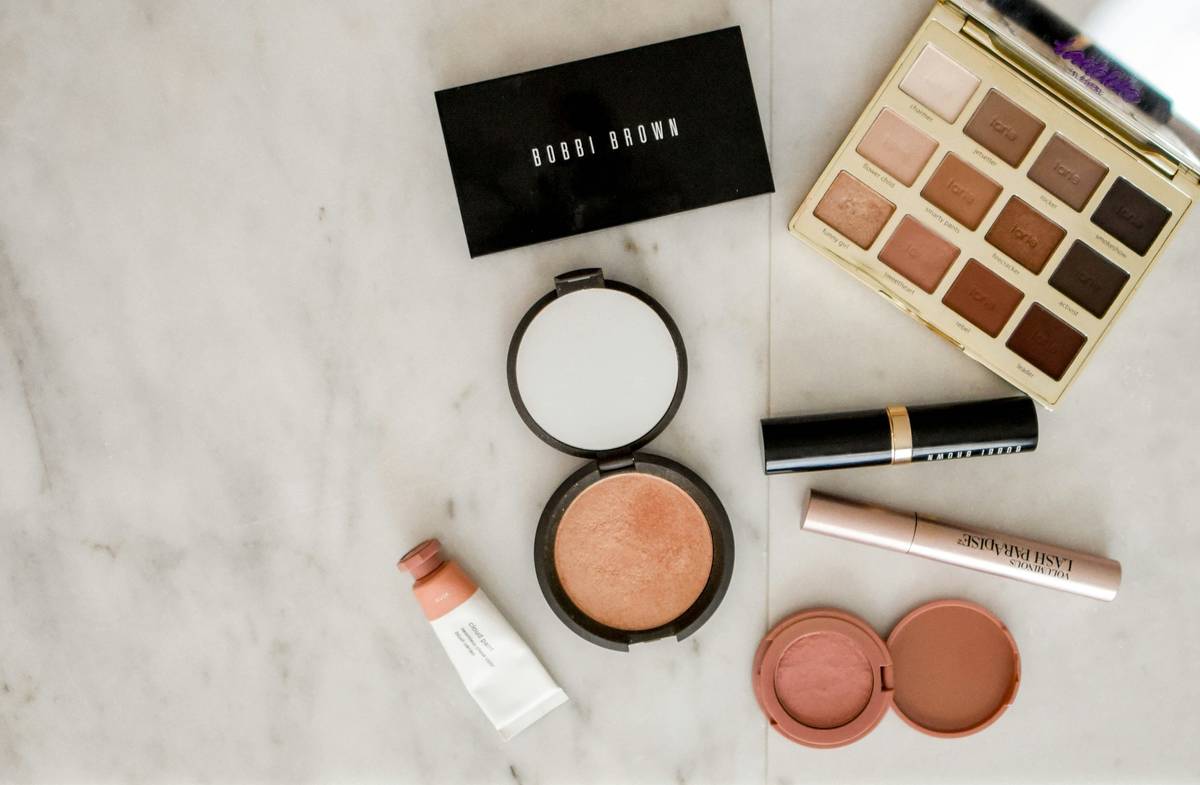
Dark circles? Yes. Redness around nostrils? Maybe. But that faint freckle cluster? Leave it. Use a peach-undertone corrector only under eyes—never full-face. Less coverage = more credibility.
Better-than-blush: the heat map trick
Real flush lives on apples, temples, and even earlobes. Dab cream blush vertically from cheekbones up toward temples. Then press fingertips along jawline and ears—yes, ears!—to echo natural circulation patterns. Powder blush sits *on* skin. Cream lives *in* it.
Eyes that don’t shout
Waterline tightlining with a brown pencil—barely there definition. Skip eyeliner on lids; instead, curl lashes and apply one coat of clear mascara or tinted serum. Brows? Brush upward, fill sparse spots with hair-like strokes using a pencil two shades lighter than your natural brow. No blocks. No arches carved like architecture.
Lips that move like skin
Tinted balms > liquid matte. Sheer stains mimic blood flow, not lipstick history. Blot once after application—your teeth will thank you, and the pigment will settle into lip lines just like natural pigmentation does.
| Step | Product Type | Time Spent | Key Benefit |
|---|---|---|---|
| Base | Tinted moisturizer or skin tint | 45 seconds | Even tone without masking pores |
| Conceal | Peach corrector + light concealer | 60 seconds | Neutralizes shadows, not identity |
| Color | Cream blush + subtle bronzer | 75 seconds | Mimics real blood flow and sun exposure |
| Eyes & Brows | Brown pencil, clear mascara, light brow pencil | 90 seconds | Definition without drama |
| Lips | Tinted balm or sheer stain | 30 seconds | Hydration-first color that moves |
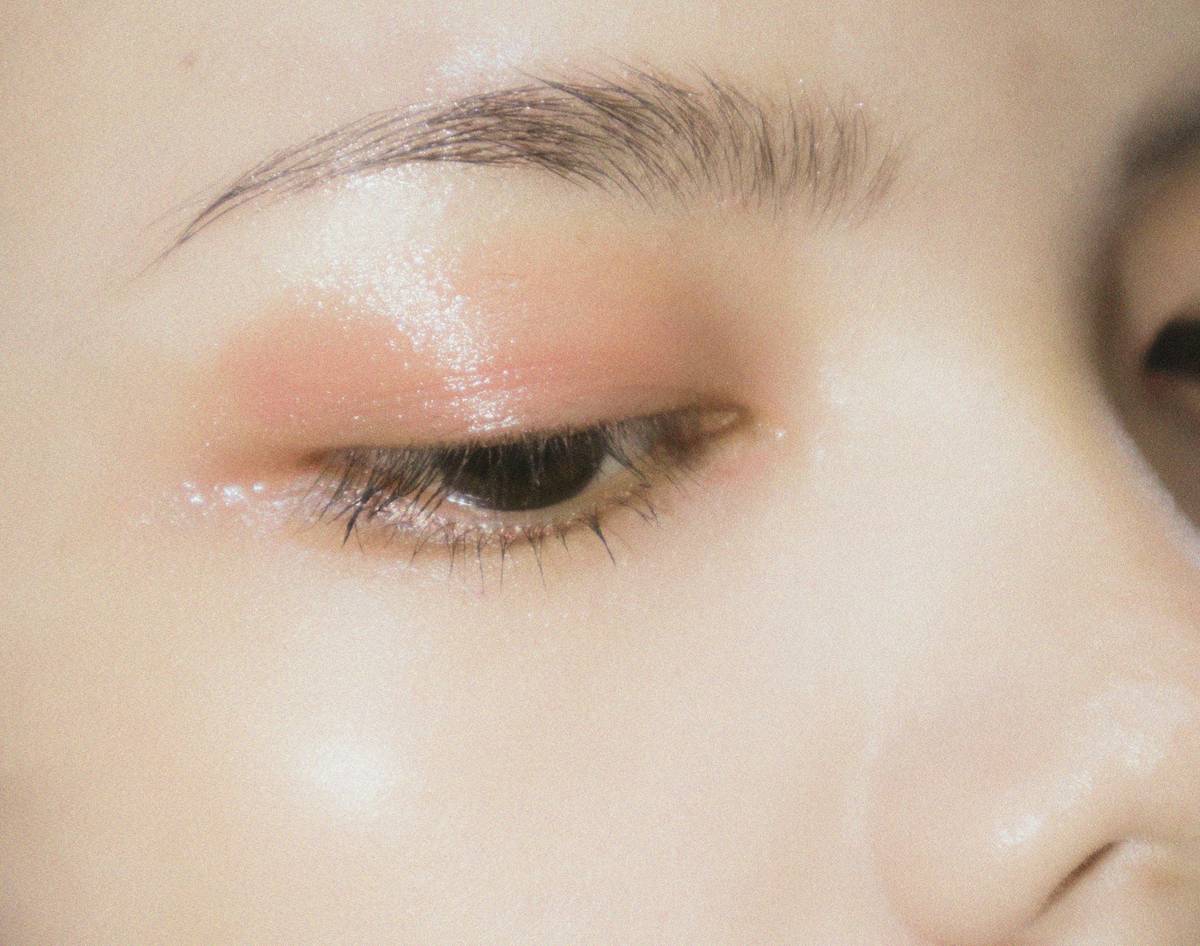
The industry secret: Your lighting is lying to you
Here’s what brands won’t say: most “natural finish” products are tested under studio LEDs—cold, flat, shadowless. Real life happens in mixed lighting: golden hour, dim cafés, fluorescent offices. That’s why your “natural” look reads as ghostly or muddy elsewhere. The fix? Test every product near a north-facing window at noon—harsh enough to reveal texture, soft enough to show blendability. If it disappears into your skin *there*, it’ll work anywhere. Also: skip ring lights during application. They erase dimension—the very thing that makes skin look alive.
Frequently Asked Questions
Can I achieve natural makeup application with oily skin?
Absolutely—but skip powders unless blotting midday. Use oil-free tinted moisturizers and set only the T-zone with translucent powder pressed in, not dusted. Over-powdering kills natural luminosity.
Is primer necessary for natural makeup application?
Only if your skin has enlarged pores or redness that distracts. Most primers add unnecessary film. Clean, hydrated skin absorbs product better than any silicone base ever will.
How do I make natural makeup last all day?
Focus on prep, not setting sprays. A well-hydrated barrier holds pigment longer. Reapply only lip tint and blot excess oil—don’t layer more product. Touch-ups should restore, not rebuild.